

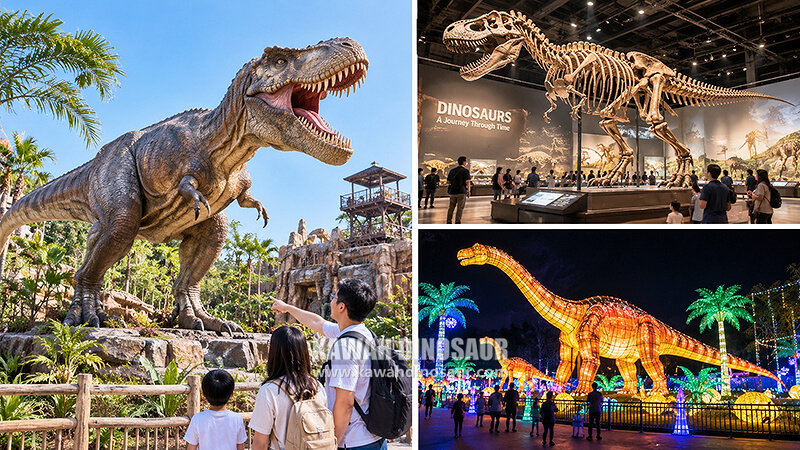
Dinosaur exhibitions are a common form of themed entertainment and science education. Whether in outdoor dinosaur-themed parks, museums, shopping malls, or temporary exhibits, various venues can develop their own dinosaur-themed projects tailored to their specific space and budget. Today, a dinosaur exhibition is more than a collection of display models. Animatronic dinosaurs, dinosaur costumes, dinosaur skeleton replicas and custom lanterns can be combined to create different types of attractions.
1. Main Applications of Dinosaur Exhibitions
Currently, dinosaur exhibitions are primarily featured in the following types of venues:
· Outdoor Dinosaur Theme Parks
Outdoor projects often use large animatronic dinosaurs as their main attractions. Dinosaur trails, riding equipment and interactive performances can also be included. Larger sites may feature different prehistoric environments to create a more complete visitor experience.
· Museums and Educational Exhibitions
Museums usually focus on dinosaur appearance, skeleton structure and educational content. Animatronic dinosaur models, dinosaur skeleton replicas and information displays are common choices.
· Shopping Malls and Indoor Exhibitions
Indoor exhibitions often have limited space and fixed event schedules. Medium-sized animatronic dinosaurs, dinosaur costumes and interactive equipment are suitable for these projects. Easy installation and flexible layouts are important.
· Festivals and Night Events
Custom dinosaur lanterns and animal lanterns can be used with lighting installations and themed displays for festivals, lantern shows and nighttime attractions.
2. Demand in Different Regions
North America and Europe have established markets for theme entertainment, museums and tourism attractions. Buyers in these regions often pay close attention to product details, safety and long-term performance.
There are also project opportunities in Asia, the Middle East and South America, particularly in theme parks, commercial events and tourist attractions.
However, project requirements vary from one market to another. Site conditions, investment budgets and visitor preferences all affect equipment selection.
For overseas projects, manufacturing is only one part of the process. Shipping protection, installation guidance, maintenance and after-sales support also matter.
3. What Equipment Does a Dinosaur Exhibition Need?
The equipment depends on the exhibition type and available space. Common choices include:
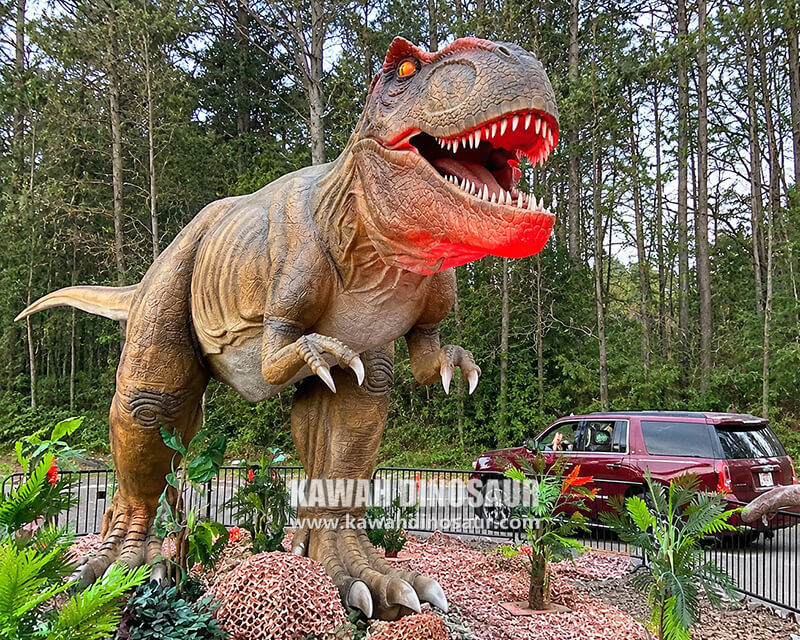
· Animatronic Dinosaurs: Moving mouths, blinking eyes, turning heads, moving tails and sound effects make displays more engaging.
· Dinosaur Skeleton Replicas: Suitable for museums and educational exhibitions.
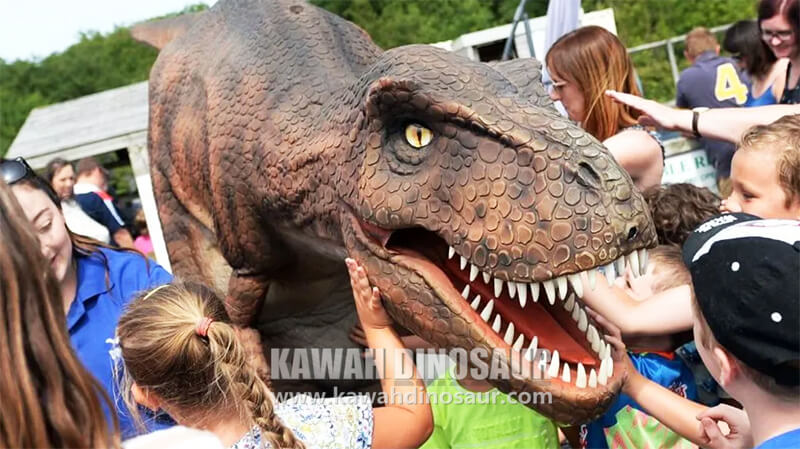
· Dinosaur Costumes: Used for live performances, parades and visitor interaction.
· Dinosaur Rides: Add interactive activities for families and children.
· Dinosaur Lanterns: Suitable for festivals, night events and themed lighting displays.
Before purchasing equipment, organizers should consider the exhibition theme, site size and visitor routes. A well-planned equipment layout is often more useful than simply adding more models.
4. Business Opportunities for Dinosaur Exhibition Projects
Dinosaur exhibitions can be developed as permanent attractions or used for temporary events, shopping mall displays and touring exhibitions.
For example, a dinosaur theme park may need large animatronic dinosaurs as its main displays. A shopping mall may prefer compact models that are easier to install. Touring exhibitions need equipment that can be packed, transported and assembled repeatedly.
Investors should consider the site, target visitors, equipment budget and maintenance costs before making purchasing decisions. A successful dinosaur exhibition depends not only on the products, but also on practical planning, equipment quality and daily operation.
· Website: www.kawahdinosaur.com
· Email: info@zgkawah.com